The Exact Guide to How to Choose a Rug Size for Every Room
Choosing the right rug can completely change the look and feel of your home. But if you’ve ever brought home a rug that felt too small or awkwardly placed, you’re definitely not alone. One of the biggest decorating mistakes homeowners make is selecting the wrong rug dimensions.
Learning how to choose a rug size can instantly make your rooms feel more polished, balanced, and expensive. The good news? You don’t need an interior design degree to get it right. A few simple guidelines can help you find the perfect fit for every space in your home.
Whether you’re decorating a cozy living room, refreshing your bedroom, or styling a dining area, this guide will help you choose a rug size with confidence.
1. Start by Measuring Your Space
Before you shop for a rug, grab a tape measure.
Many people guess rug sizes based on appearance alone, which often leads to buying something too small. Measuring your room first helps you narrow down your options and avoid costly mistakes.
Write down the room’s dimensions and mark where your furniture sits. This simple step makes it much easier to visualize how the rug will fit within the space.
2. In Living Rooms, Bigger Is Usually Better
One of the most important rules when learning how to choose a rug size is to avoid tiny rugs in large living rooms.
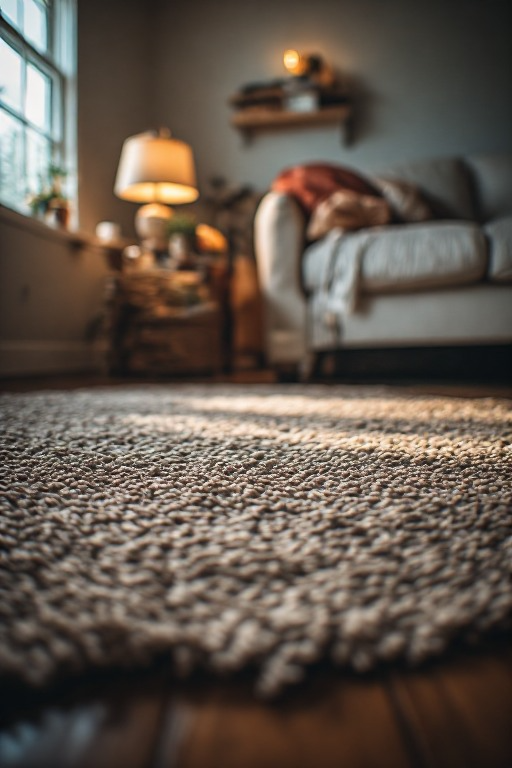
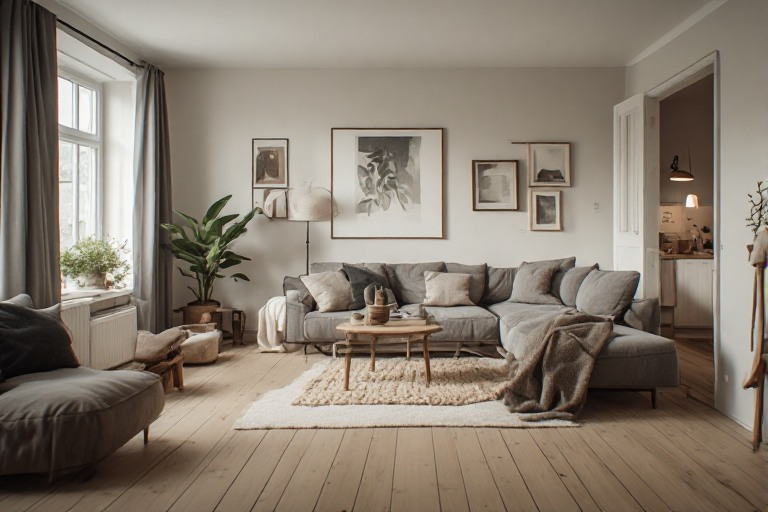
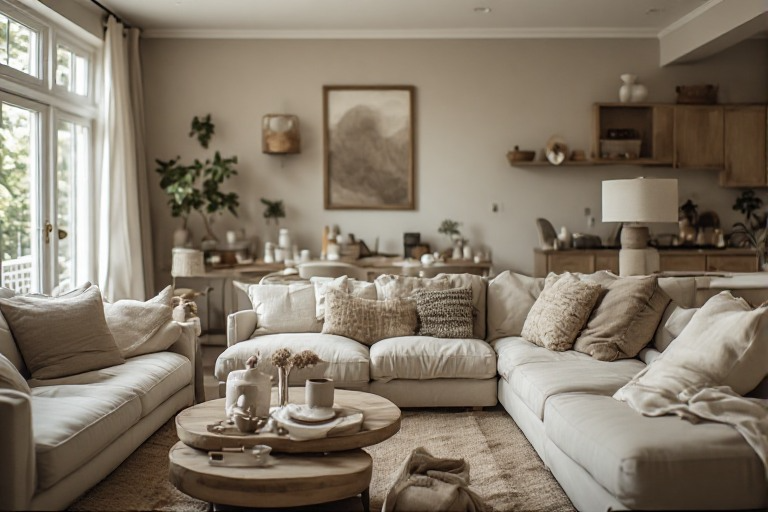
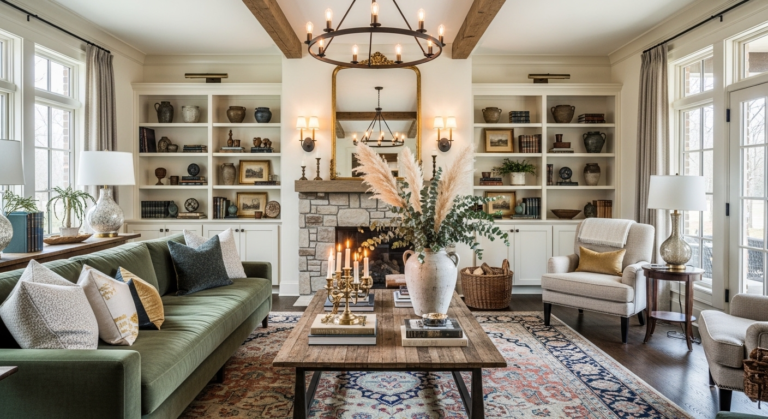
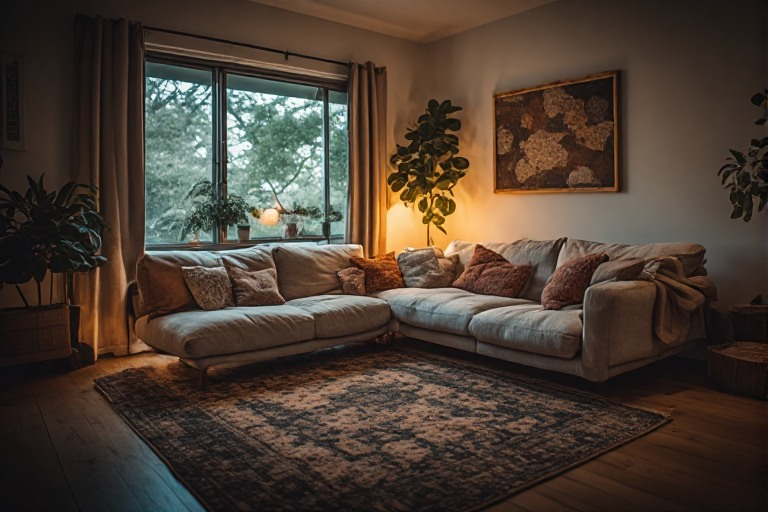
A rug should help anchor your seating area. Ideally, the front legs of your sofa and chairs should sit on the rug. In larger rooms, all furniture legs can rest on the rug for a more luxurious look.
Common living room rug sizes include:
- 8′ x 10′
- 9′ x 12′
- 10′ x 14′
A rug that’s too small can make your furniture appear disconnected and the room feel unfinished.
3. Leave a Border of Flooring Around the Rug
Your rug shouldn’t stretch wall-to-wall.
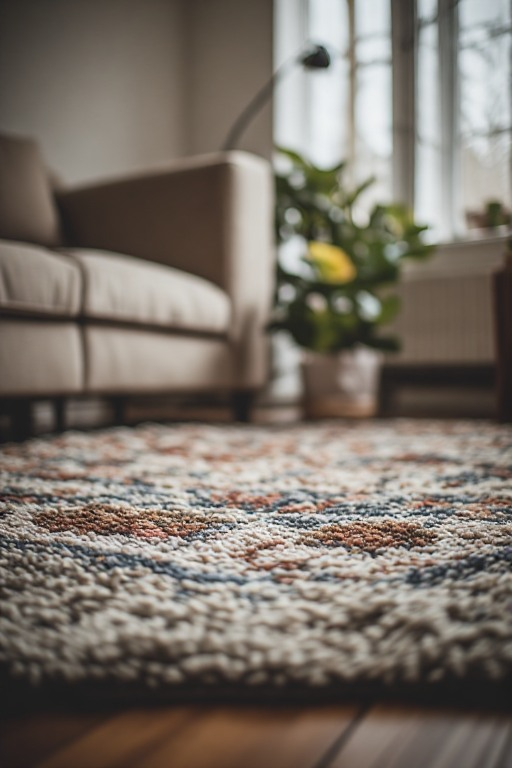
Most interior designers recommend leaving about 12 to 18 inches of visible flooring around the edges of the room. This creates a balanced frame and helps the space feel intentional.
In smaller rooms, even 8 inches of exposed flooring can work beautifully.
4. Choose Bedroom Rugs That Extend Beyond the Bed
Your bedroom should feel cozy the moment your feet touch the floor in the morning.
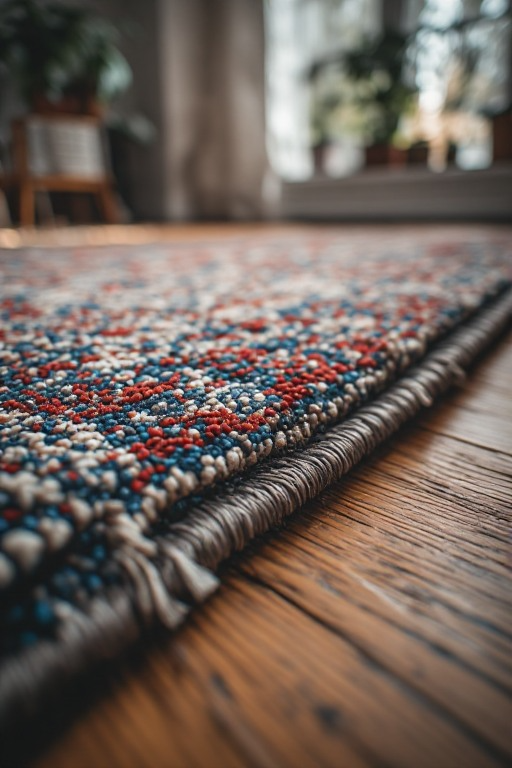
A properly sized rug extends beyond the sides and foot of the bed, creating warmth and comfort. For queen-size beds, an 8′ x 10′ rug is often ideal. For king-size beds, many designers recommend a 9′ x 12′ rug.
The goal is to have enough rug visible around the bed so it doesn’t disappear underneath the furniture.
5. Use Rug Size to Define Open Spaces
Open-concept homes can sometimes feel overwhelming or undefined.
A well-sized rug helps create visual zones within a larger room. For example, a rug can separate your living area from your dining area without adding walls or dividers.
This decorating trick makes open floor plans feel more organized and inviting.
6. Make Sure Dining Chairs Stay on the Rug
Dining room rugs require special attention.
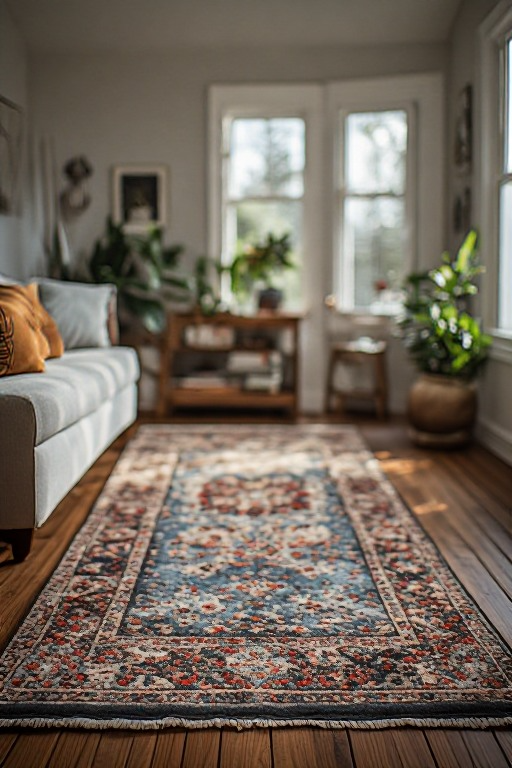
When chairs are pulled out from the table, they should remain fully on the rug. If the rug is too small, chairs can catch on the edge, creating an awkward and frustrating experience.
A good rule is to allow at least 24 inches of rug beyond all sides of the dining table.
Popular dining room rug sizes include:
- 8′ x 10′
- 9′ x 12′
- 10′ x 14′
The exact size depends on your table dimensions and seating arrangement.
7. Consider Hallways and Entryways
Hallways often get overlooked when it comes to home decor.
A runner rug should leave several inches of flooring visible on both sides. This creates a clean and proportional look while protecting high-traffic areas.
For entryways, choose a rug that welcomes guests without overwhelming the space. The rug should feel centered and leave a visible border around the edges.
8. Follow the “Front Legs On” Rule
If you’re unsure about sizing, remember this simple design guideline.
At minimum, the front legs of your main furniture pieces should sit on the rug. This creates a cohesive arrangement and visually connects the furniture.
This rule works especially well in living rooms, family rooms, and conversation areas.
9. Small Rugs Work Best as Accent Pieces
Small rugs aren’t necessarily bad—they just need the right purpose.
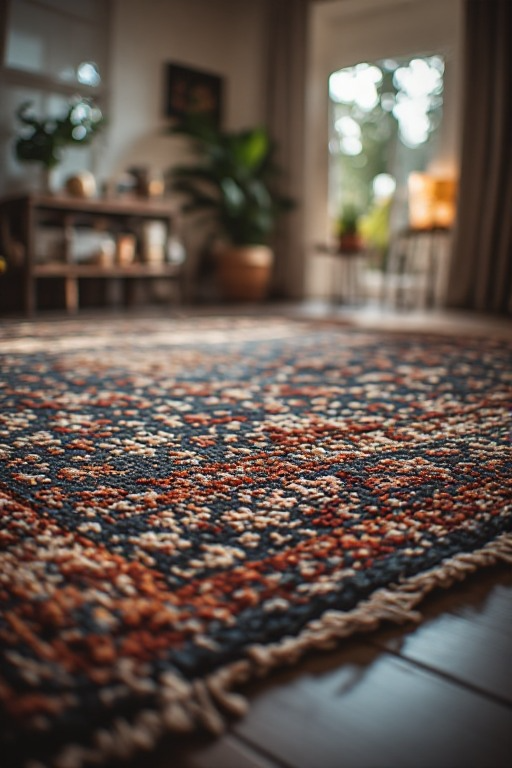
Instead of trying to anchor an entire room with a tiny rug, use smaller rugs as decorative accents. They work beautifully beside beds, in reading nooks, or layered over larger natural-fiber rugs.
Layering rugs is also a great way to add texture and personality to your home decor.
10. Think About Room Shape
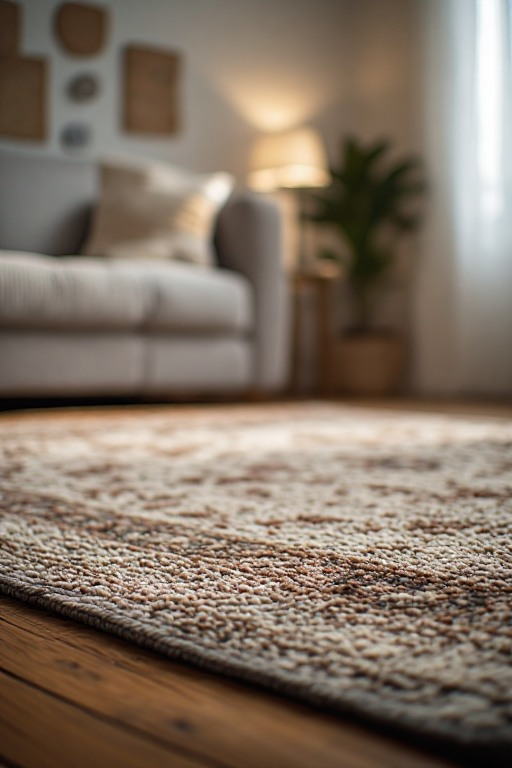
The shape of your room should influence your rug choice.
Rectangular rooms typically look best with rectangular rugs. Square rooms often benefit from square rugs, while round rugs can soften spaces with lots of straight lines.