How to Layer Rugs at Home Ideas That Instantly Make Any Room Look Designer-Styled
If you’ve ever looked at a beautifully decorated room and wondered why it feels so warm, cozy, and expensive, there’s a good chance layered rugs are part of the secret. This simple decorating trick has become one of the easiest ways to add texture, depth, and personality to any space without spending a fortune.
The best part? Learning how to layer rugs at home doesn’t require a professional designer or a huge budget. With a few simple styling tricks, you can transform your living room, bedroom, dining area, or even your entryway into a space that feels thoughtfully designed and incredibly inviting.
Whether you’re decorating a small apartment or refreshing a family home, these rug layering ideas will help you create a stylish, magazine-worthy look you’ll love.
1. Start with a Large Neutral Base Rug
The easiest way to layer rugs is to begin with a large neutral rug as your foundation. Natural fiber rugs like jute, sisal, or woven cotton work beautifully because they provide texture without overwhelming the room.
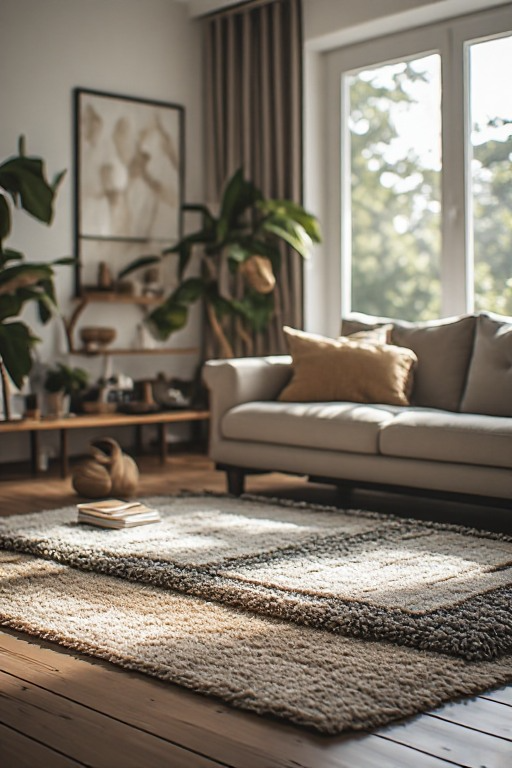
A neutral base creates balance and allows smaller decorative rugs to stand out. This method works especially well in living rooms and open-concept spaces where you want to define a seating area.
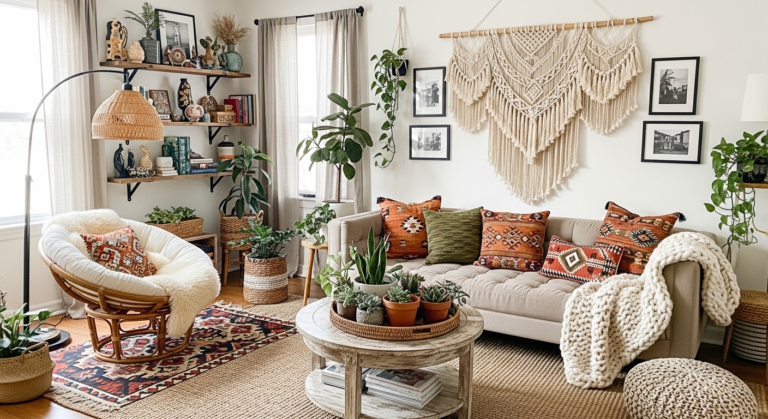
2. Add a Smaller Patterned Rug on Top
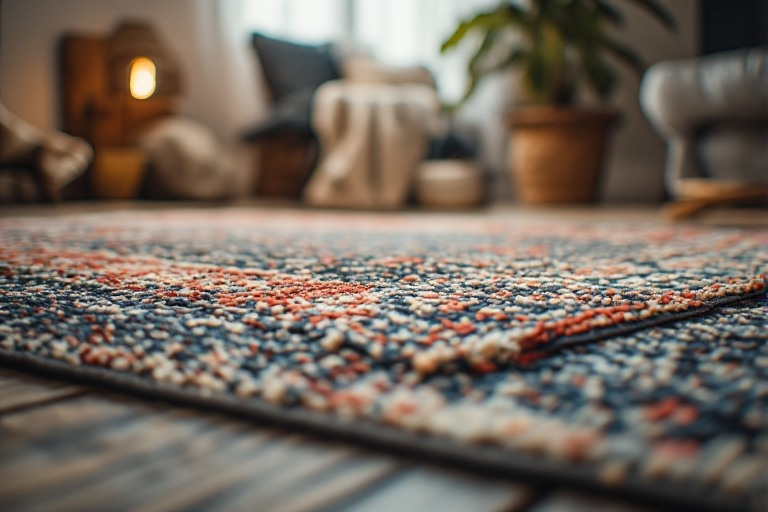
Once your base rug is in place, layer a smaller patterned rug over it. This instantly adds visual interest and creates a more collected, designer-inspired appearance.
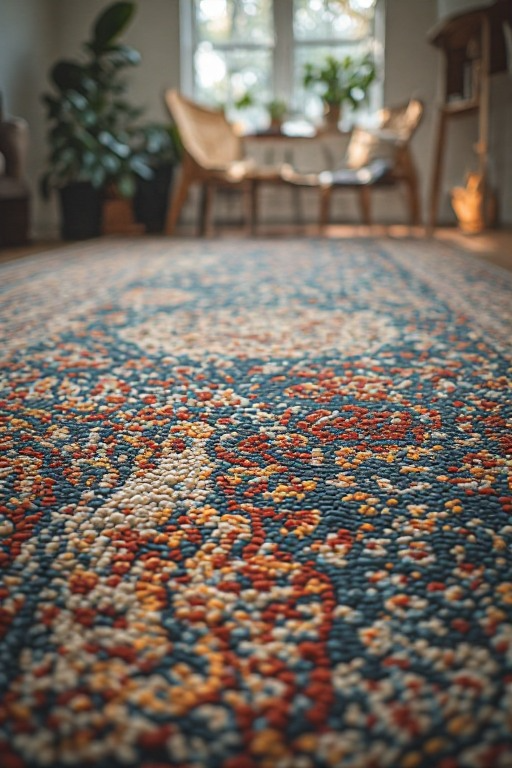
Persian-style rugs, vintage-inspired designs, and geometric patterns are popular choices. The contrast between the neutral base and the decorative top layer creates depth and character.
3. Layer Rugs in Your Living Room
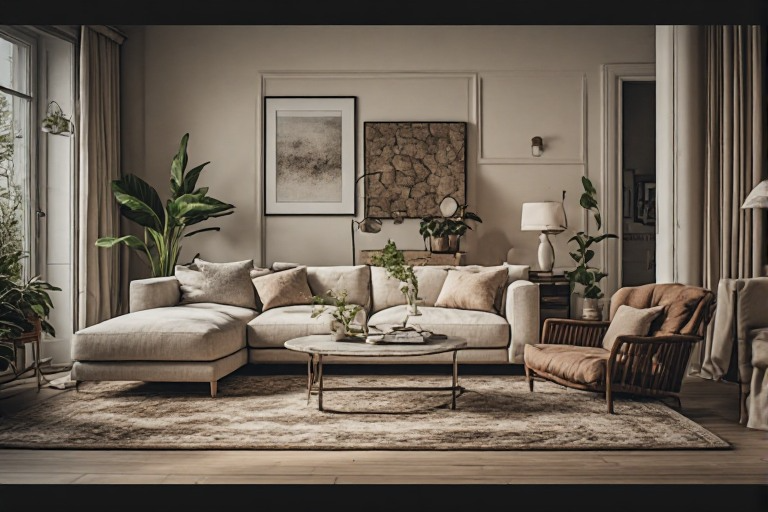
One of the best places to practice how to layer rugs at home is the living room. Place a large area rug underneath your furniture and then add a smaller accent rug partially centered under the coffee table.
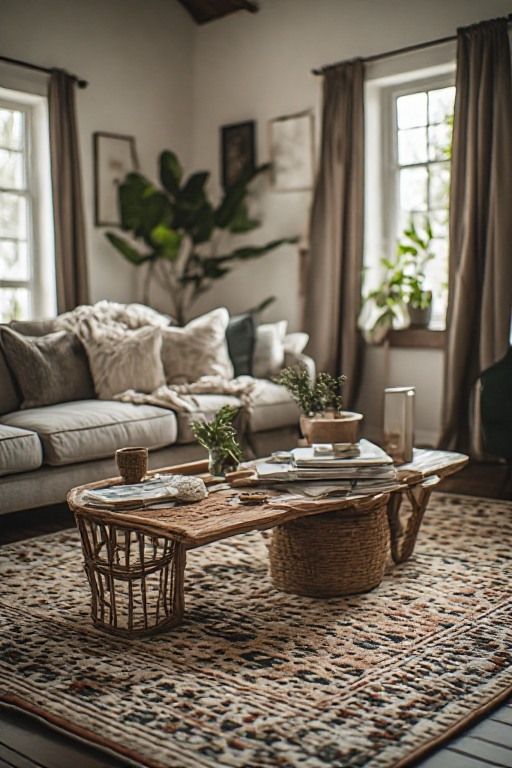
This arrangement helps anchor the seating area while making the room feel cozy and intentional. It’s also a great way to update an older rug without replacing it completely.
4. Create a Cozy Bedroom Look
Layering rugs in the bedroom adds warmth and softness underfoot. Start with a large rug placed under the bed, then add a smaller decorative rug at the foot of the bed.
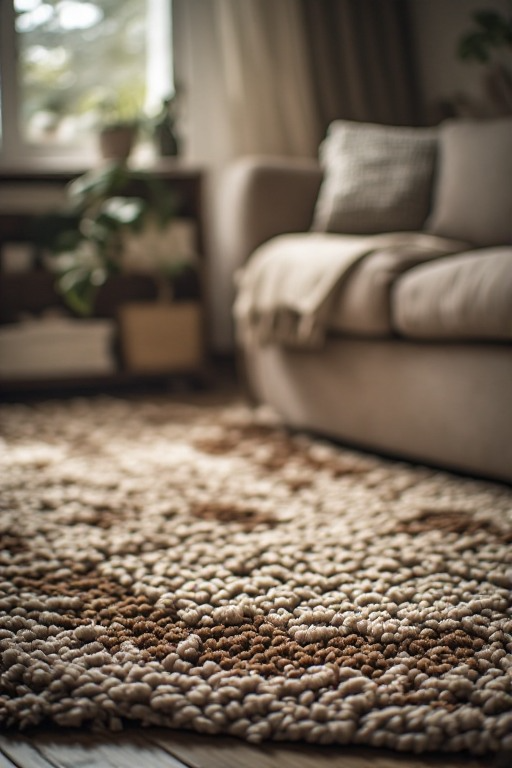
This technique makes the room feel luxurious and welcoming. It also introduces extra texture that enhances your overall bedroom decor.
5. Mix Different Textures
Designer rooms often feel interesting because they combine multiple textures. Try pairing a chunky jute rug with a soft faux fur rug or a vintage woven rug.
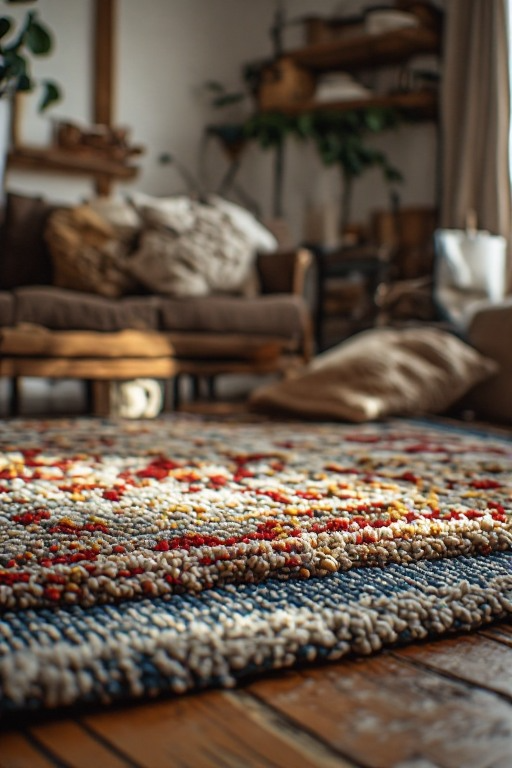
Mixing textures prevents a room from feeling flat. Even if both rugs are neutral colors, the contrast in materials creates a visually rich space.
6. Use Layered Rugs in Small Spaces
Many people think layering rugs only works in large rooms, but that’s not true. Small apartments and compact spaces can benefit from this decorating trick too.
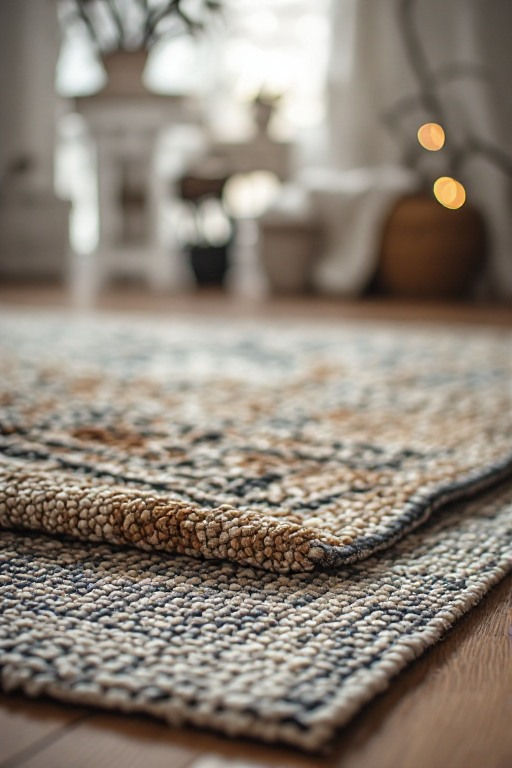
A layered rug arrangement can make a small room feel more polished and complete. Choose lighter colors to keep the space feeling open and airy.
7. Try an Unexpected Angle
Instead of placing rugs perfectly straight, experiment with slight angles. Positioning the top rug diagonally can create a relaxed, effortless look.
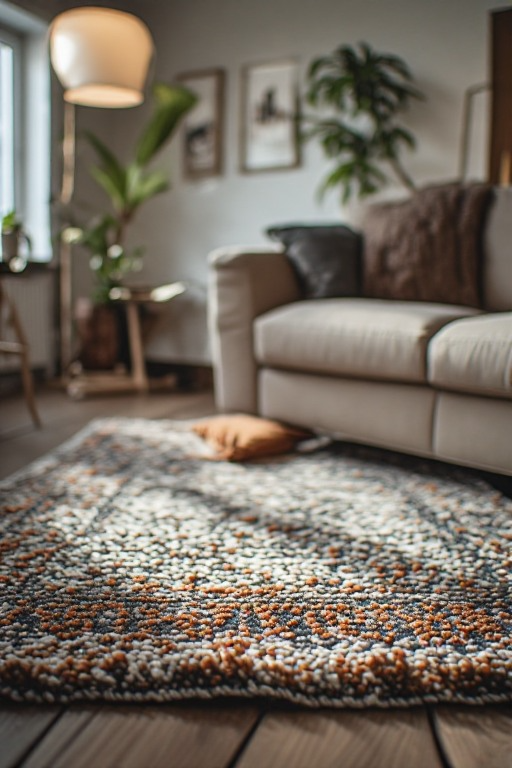
This technique works especially well in boho decor styles and casual living spaces. Just avoid extreme angles that may make the room feel messy.
8. Layer Rugs in the Dining Room
Dining rooms can sometimes feel cold and formal. Layering rugs helps soften the space and make it feel more inviting.
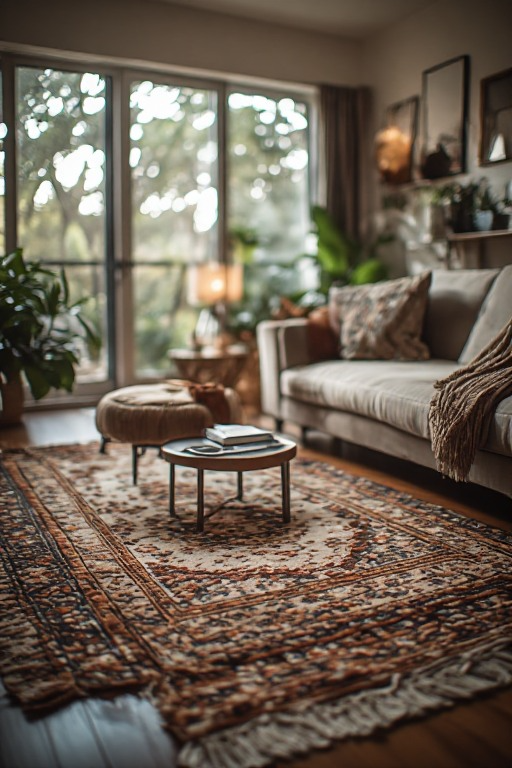
Use a large durable rug beneath the dining table, then consider adding a decorative rug that extends beyond one side of the room. This creates visual interest while still maintaining functionality.
9. Combine Bold and Neutral Colors
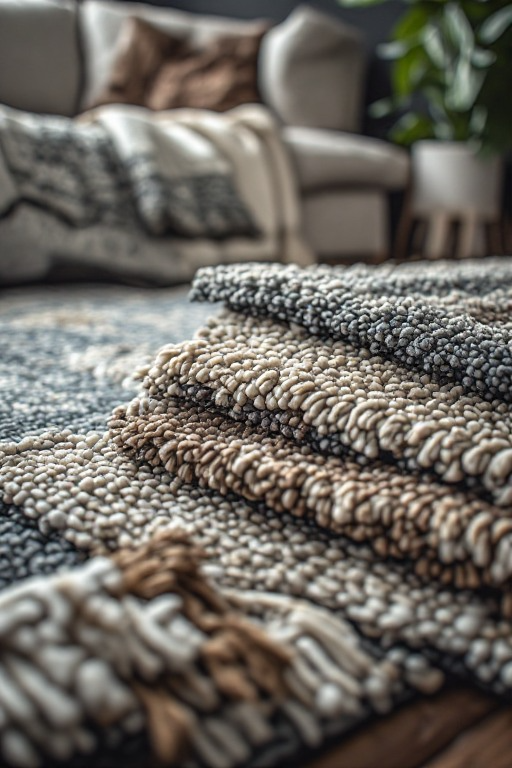
One of the smartest rug layering strategies is balancing bold and neutral tones. If your top rug features vibrant colors or intricate patterns, keep the bottom rug simple.
This prevents the room from feeling overwhelming. The neutral layer acts as a visual anchor while allowing the statement rug to shine.
10. Define Different Zones in Open Spaces
Open-concept homes often need visual separation between areas. Layered rugs can help create distinct zones without using walls or dividers.
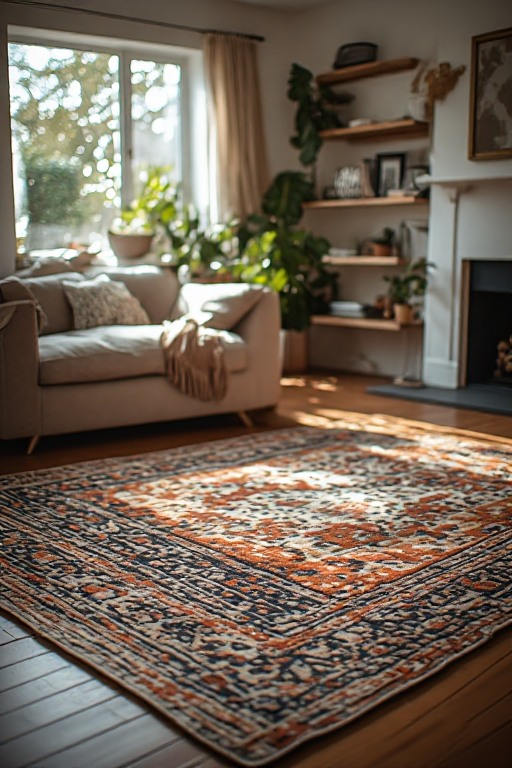
For example, you can define a living area with a layered rug arrangement while using a different rug setup for the dining space. This creates structure and flow throughout the room.