How to Arrange Furniture in Living Room Ideas That Make Your Space Look Designer-Made
If you’ve ever stood in the middle of your living room wondering why something feels “off,” you’re not alone. Even beautiful furniture can make a room feel cramped, awkward, or unfinished when it’s not arranged properly. The good news? You don’t need expensive new furniture or a professional designer to create a space that feels polished and inviting.
Learning how to arrange furniture in living room spaces correctly can completely transform the way your home looks and feels. The right layout makes your room more functional, improves traffic flow, and creates a cozy atmosphere where everyone wants to spend time.
Whether you’re decorating a small apartment or a spacious family room, these simple furniture arrangement tips can help you create a living room you’ll love coming home to.
1. Start With a Focal Point
Every well-designed living room needs a focal point. This could be a fireplace, a large window, built-in shelving, or your television.
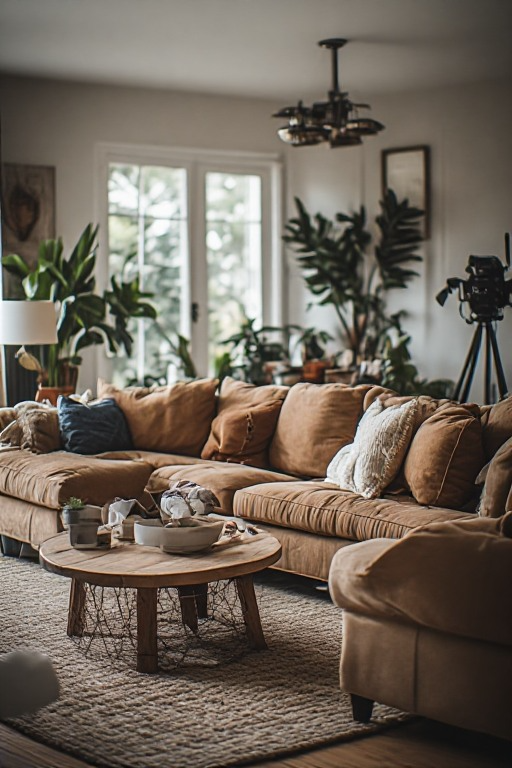
Before moving any furniture, decide what you want people to notice first when they enter the room. Arrange your seating around that feature to create a natural and balanced layout.
2. Keep Traffic Flow Open
One of the biggest furniture arrangement mistakes is blocking walking paths.
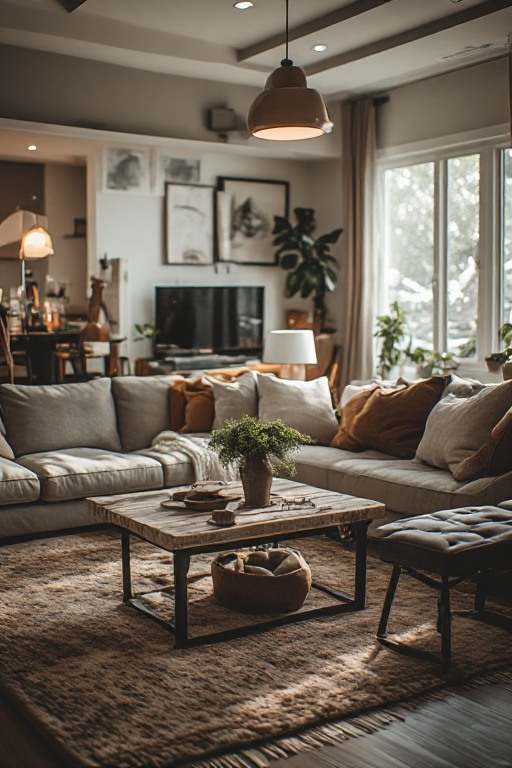
Make sure people can comfortably move through the room without squeezing between furniture pieces. Leave enough space between sofas, chairs, and tables to create clear walkways.
3. Float Your Furniture Away From Walls
Many homeowners automatically push all furniture against the walls.
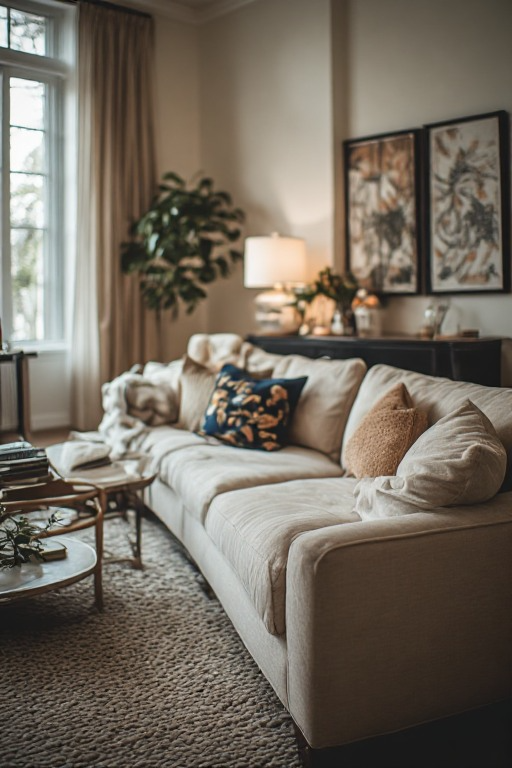
While this might seem like it creates more space, it can actually make the room feel disconnected. Pulling furniture slightly inward often creates a more intimate and welcoming seating area.
4. Create Conversation Zones
A beautiful living room should encourage conversation.
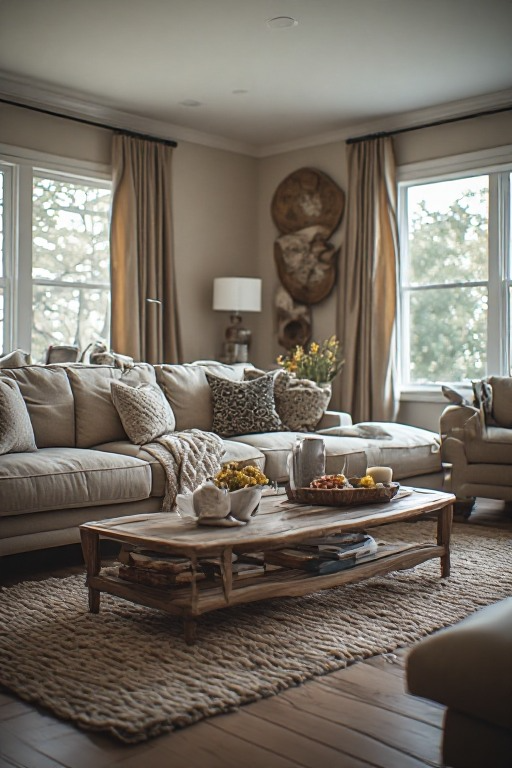
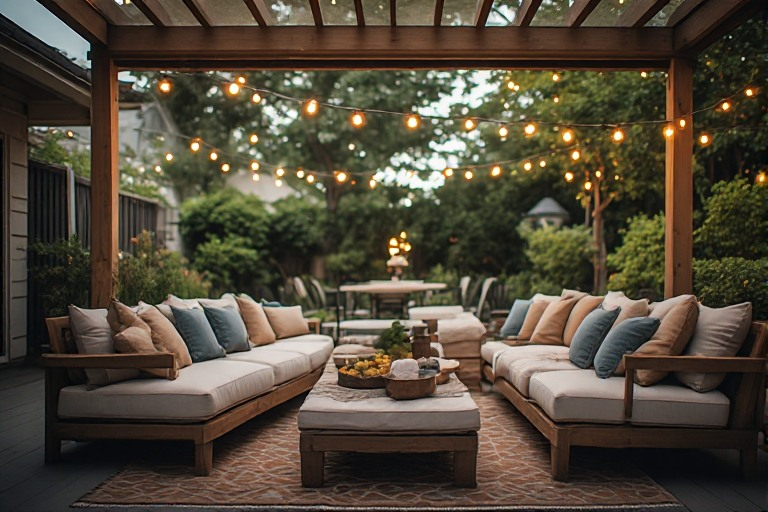
Position sofas and chairs so people can comfortably talk to each other without raising their voices. Furniture facing each other naturally creates a more inviting atmosphere.
5. Use an Area Rug to Define the Space
An area rug helps anchor your furniture arrangement.
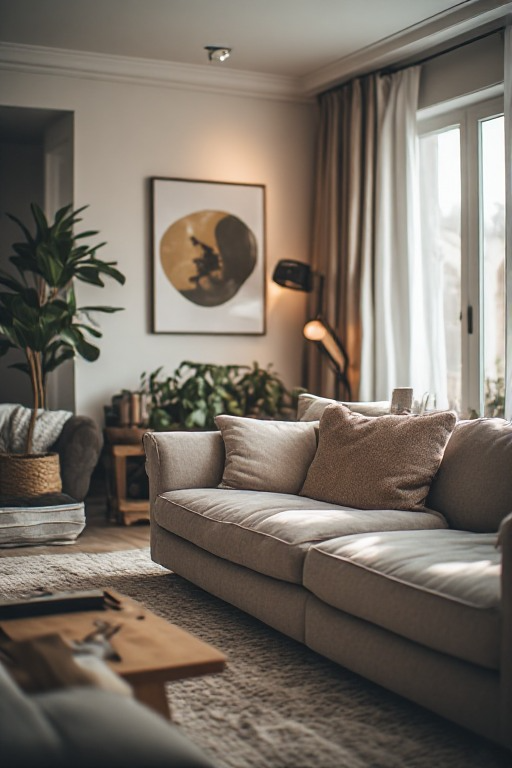
Ideally, at least the front legs of your seating pieces should sit on the rug. This creates visual unity and makes the room feel professionally designed.
6. Center the Sofa First
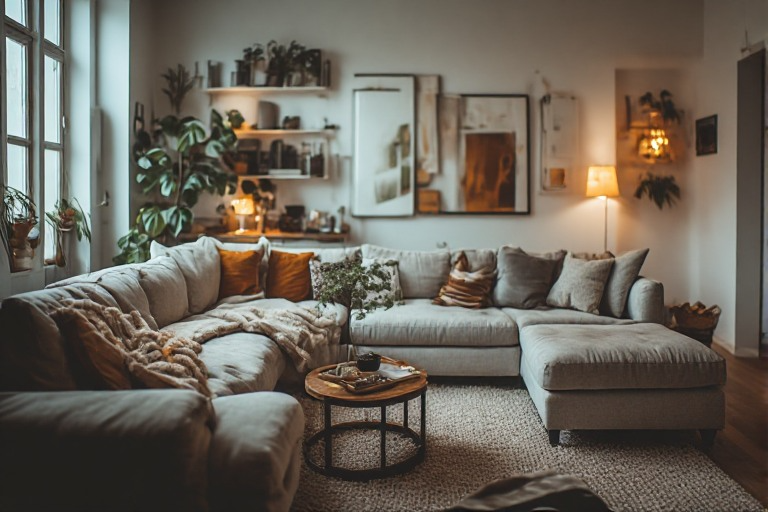
When figuring out how to arrange furniture in living room layouts, start with your largest piece.
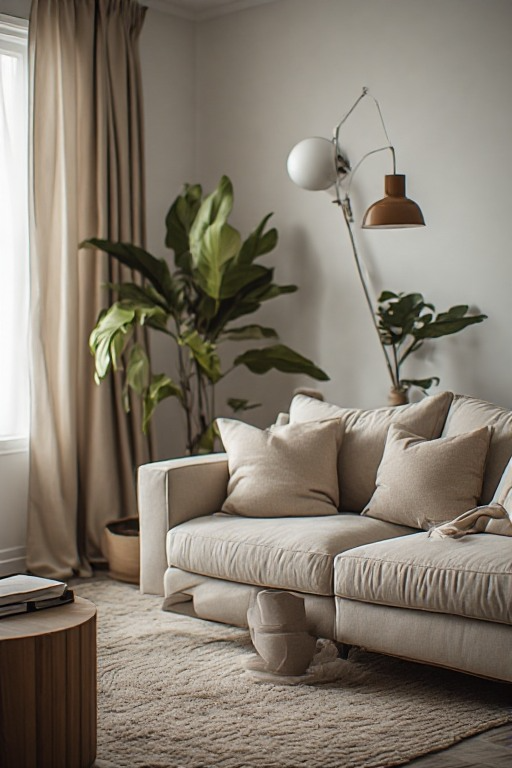
Your sofa often serves as the foundation of the room. Once it’s in place, arranging the remaining furniture becomes much easier.
7. Balance Large and Small Pieces
Too many bulky furniture items on one side of the room can make the space feel uneven.
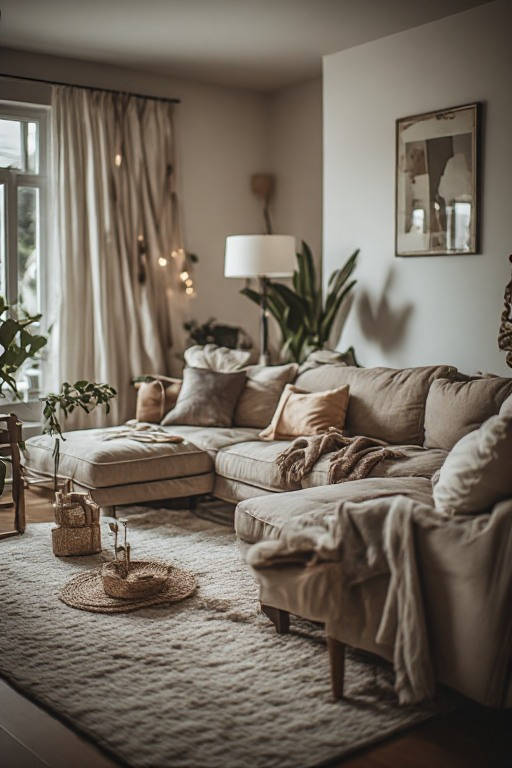
Balance larger pieces with smaller chairs, side tables, or decorative accents to create a harmonious look throughout the room.
8. Don’t Forget the Coffee Table
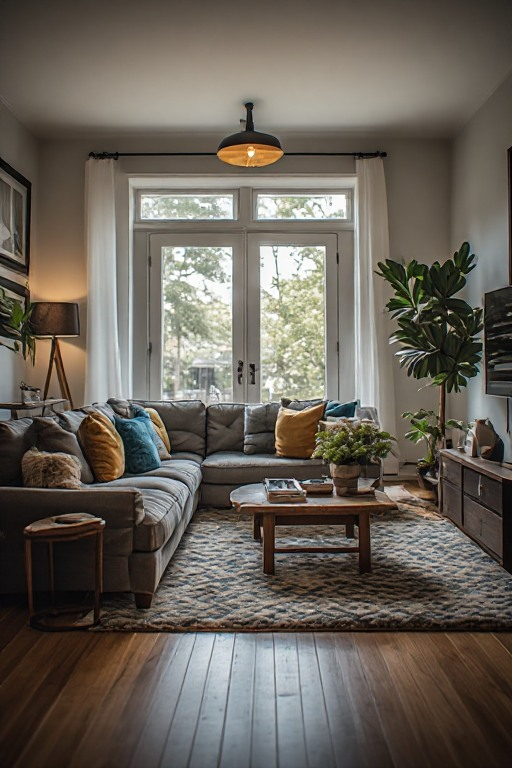
A coffee table does more than hold drinks and decor.
It creates a functional center for your seating area. Leave about 14 to 18 inches between the coffee table and sofa for comfortable access.
9. Use Symmetry for a Classic Look
Symmetrical layouts instantly create a sense of order.
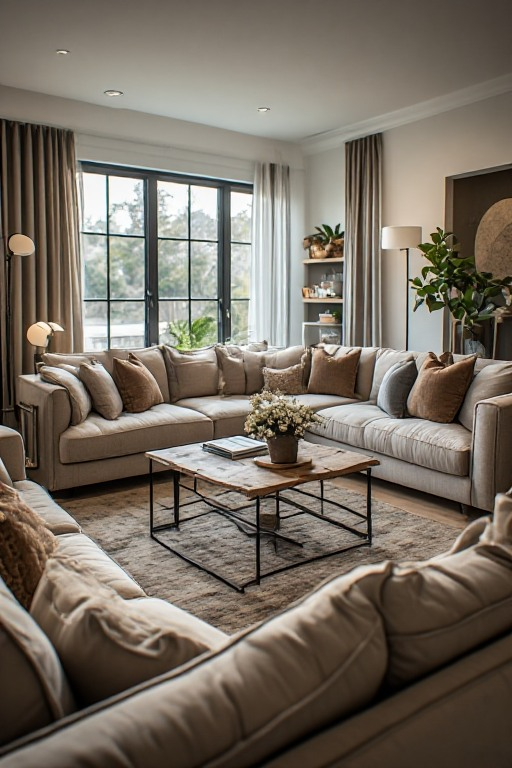
Try placing matching chairs on either side of a sofa or identical lamps on end tables. This timeless approach works especially well in traditional and transitional living rooms.
10. Try an L-Shaped Arrangement
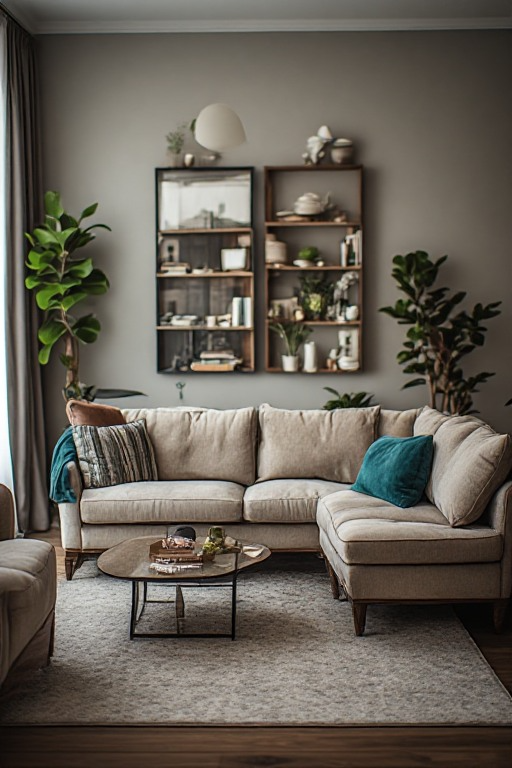
An L-shaped furniture layout works wonderfully in both small and large spaces.
Positioning a sofa and loveseat in an L shape creates a cozy gathering area while keeping the room open and spacious.